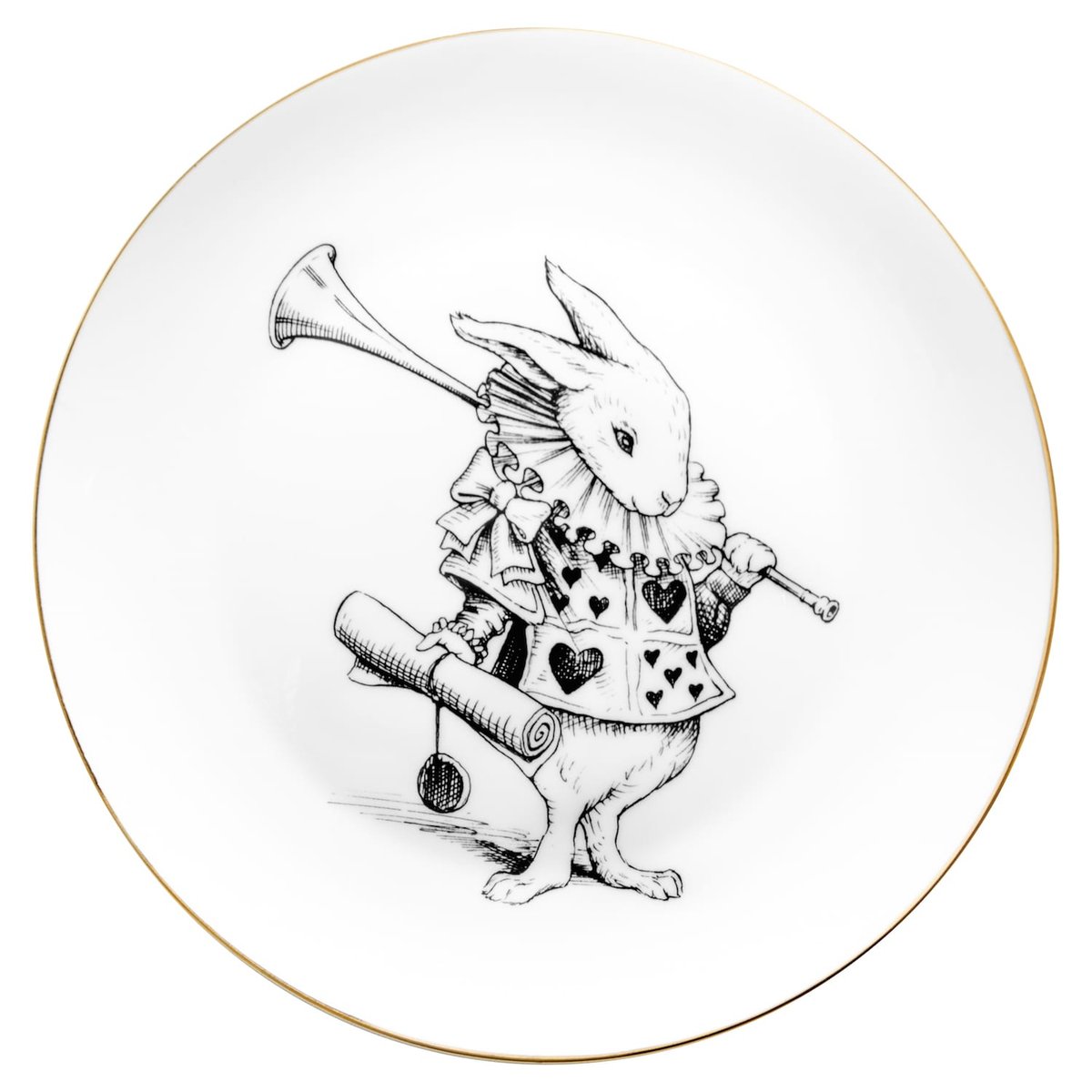
"I'm late! I'm late! For a very important date!" With these frantic words, a perpetually worried, waistcoat-clad White Rabbit doesn't just pass by Alice; he propels her into one of literature's most enduring and mind-bending adventures. It's a moment so iconic that the very phrase "down the rabbit hole" has become synonymous with tumbling into the unknown. But this isn't just a quirky character; the White Rabbit's narrative role and purpose in Alice's Adventures in Wonderland is the very engine of Alice's journey, making him far more than a mere plot device.
He's the anxious embodiment of a changing world, a psychological portal, and an archetypal guide wrapped in a furry package. Understanding his significance unlocks deeper layers of Lewis Carroll's timeless tale, inviting us to reflect on our own hurried lives and hidden curiosities.
At a Glance: The White Rabbit's Multifaceted Impact
- The Ultimate Catalyst: He initiates Alice's entire adventure, drawing her into Wonderland out of sheer curiosity.
- Symbol of Time & Anxiety: Represents Victorian punctuality, the pressures of schedules, and modern hustle culture's pervasive anxiety.
- Psychological Guide: Acts as a portal into Alice's subconscious, reflecting Freudian and Jungian archetypes of exploration.
- Challenger of Norms: His erratic nature implicitly pushes Alice (and the reader) to question societal rules and embrace uncertainty.
- Hero's Journey Figure: Embodies both the "call to adventure" and the "threshold guardian," inviting courage and exploration.
- A Mirror to Society: Contrasts with tyrannical figures and highlights the absurdities of human behavior and power.
The First Encounter: A Catalyst for Curiosity and Chaos
Imagine a quiet afternoon by a river, boredom settling in. Then, a talking, waistcoat-wearing white rabbit dashes past, checking a pocket watch, muttering about being late. What would you do? Most of us would pause, perhaps question our sanity. Alice, however, doesn't hesitate. Her immediate impulse to follow him isn't just childish whimsy; it’s a profound human response to the allure of the unknown.
The White Rabbit is the story's initial inciting incident, the spark that ignites Alice’s extraordinary journey. Without his sudden appearance and frantic urgency, Alice remains on the riverbank, her world neatly contained. His "very important date" remains a mystery, one Alice feels compelled to solve, drawing her away from her comfort zone and into the bizarre logic of Wonderland. This initial pursuit sets the stage for Explore Alices Wonderland adventures and begins her transformative quest.
The White Rabbit as a Mirror of Victorian Anxiety and Modern Hustle
Beyond his role as a simple plot starter, the White Rabbit is a vivid symbol of his time and, remarkably, of ours. Carroll wrote Alice’s Adventures in Wonderland in 1865, a period when Great Britain was grappling with the full impact of the Industrial Revolution. This era introduced rigid work schedules, factory bells, and the burgeoning concept of mechanized punctuality. The Rabbit, perpetually checking his watch and panicking about being late, perfectly embodies this new Victorian time consciousness.
His incessant hustle and constant worry resonate powerfully with contemporary "hustle culture." Think about it: the dread of missing out (often termed "FOMO," a concept predated by Kierkegaard's observations on anxiety) and the pressure to conform to rigid deadlines in a capitalist society are palpable through the Rabbit's every agitated twitch. He's not just running from something; he's running for something undefined yet supremely important, a reflection of the endless pursuit of productivity and status. His hurried existence underscores the anxieties of the Victorian era that, uncannily, persist today.
Sociologist Erving Goffman’s ideas on self-presentation are also visible here. The Rabbit’s white coat might symbolize purity or innocence, but his perpetual hurry reflects a struggle to balance responsibilities and maintain status in a world that demands constant performance. He is always on stage, always late, always stressed, a poignant caricature of anyone trying to keep up appearances in a demanding world.
Symbolic Layers: Purity, Pursuit, and the Unconscious Depths
The White Rabbit isn't just a character; he's a highly symbolic figure, rich with layers that invite psychological interpretation. His very "whiteness" often suggests purity, innocence, or even a blank slate—a guide perhaps untainted by the madness of Wonderland itself, despite his own neuroses.
His act of leading Alice down the rabbit hole is one of the story's most iconic metaphors. From a Freudian perspective, tumbling down the rabbit hole can symbolize a "return to the womb," a plunge into the primal, subconscious depths where repressed wishes and fears reside. The journey itself becomes an exploration of the unconscious mind, with the Rabbit as the enigmatic conductor.
Carl Jung’s analytical psychology also offers compelling insights. The White Rabbit functions as an archetypal guide or trickster. He leads Alice, but often inadvertently, sometimes away from her, sometimes toward new encounters, never fully explaining or making sense. He doesn't hold Alice's hand; he simply is, his frantic energy drawing her further into her own psyche. This pursuit can be seen as a portal into Alice's subconscious, forcing her to confront aspects of her identity and the absurdity of life itself.
Guiding Alice Through a Labyrinth of Identity and Absurdity
As Alice follows the White Rabbit, she’s not just chasing a creature; she's chasing understanding, self-discovery, and a challenge to her perception of reality. The Wonderland he leads her to is a place where societal norms are upended, where logic bends, and where identity is fluid.
His ever-slipping direction and the elusive nature of his "important date" cleverly avoid fixed meaning, echoing Jacques Derrida’s concept of différance—the idea that meaning is perpetually deferred and never fully present. This constant deferral forces Alice (and the reader) to abandon certainties, to question, and to embrace the unknown.
This pursuit represents radical freedom, a concept explored by Jean-Paul Sartre. Alice, stripped of familiar rules and guided by an unreliable, anxious figure, is compelled to define herself within this absurd new reality. The Rabbit, by being so directionless yet so urgently purposeful, essentially forces Alice into self-reliance and an ongoing exploration of Alice’s evolving sense of self. She must continuously adapt, question, and reformulate her understanding of who she is in a world that refuses to play by her rules.
The Hero's Journey: Call to Adventure and Threshold Guardian
In Joseph Campbell's framework of the Hero's Journey, the White Rabbit is a quintessential figure. He is undeniably the call to adventure. His appearance shatters Alice's ordinary world, presenting her with an irresistible invitation to leave the mundane and enter the extraordinary.
But he's also more complex: he serves as a threshold guardian. He doesn't actively block Alice, but his hurried nature and the sheer strangeness of his existence are the threshold. His anxiety and elusive presence symbolize the fear and fascination that often entwine at the edge of the unknown. Alice's decision to follow him past this threshold signifies her acceptance of the journey, despite the inherent risks and uncertainties. This journey aligns perfectly with the classic Hero’s Journey framework, where the protagonist leaves the familiar to undergo transformation.
Contrasts and Critiques: Rabbit, Queen, and Wonderland's Quirks
The White Rabbit’s frantic, anxious demeanor stands in stark contrast to the tyrannical, absolute power of the Queen of Hearts, whose infamous "Off with their heads!" mantra serves as a terrifying warning against blind adherence to authority. This juxtaposition is crucial; it raises questions about power dynamics and the perils of unquestioned power. While the Rabbit frets about small punctilious details, the Queen wields life-and-death power with capricious glee. This encourages audiences to critically examine and question the power structures they encounter in their own lives.
Beyond the Rabbit, the Wonderland he introduces Alice to is teeming with fantastical creatures like the enigmatic Cheshire Cat and the rigidly obedient card soldiers, all reflecting various human quirks and eccentricities. The Mad Tea Party, with its illogical rules and endless present moment, critiques societal rituals and conformity. Even the Queen’s bizarre croquet game, using flamingos as mallets and hedgehogs as balls, symbolizes the unpredictable nature of personal challenges and life as a game of strategy, where the rules can change on a whim. The Rabbit, in his desperate attempt to keep the Queen placated and avoid her wrath, shows the subservience that fear of unchecked power can induce. All these elements contribute to the rich symbolism woven throughout Wonderland.
Unpacking Common Questions About the White Rabbit
You might have a few lingering questions about this iconic character. Here are some common ones:
Is the White Rabbit truly a "good" guide for Alice?
He is not a traditional benevolent guide. The White Rabbit is more of a reluctant or unconscious catalyst. He doesn't actively help Alice navigate Wonderland, nor does he offer advice or protection. Instead, his purpose is to lead her to the adventure, acting as a portal rather than a protector. His guidance is indirect, rooted in his own anxieties and hurried existence, which ironically forces Alice to become self-reliant.
Why is the White Rabbit always late? What is his "important date"?
The specific nature of his "important date" is never revealed, and that's precisely the point. It's a MacGuffin—a plot device that drives the story forward without needing to be fully explained. His perpetual lateness symbolizes the crushing pressure of external expectations and the futility of always trying to keep up with an arbitrary, demanding schedule. It reflects a society newly bound by clocks and deadlines, and the anxiety that arises from this newfound temporal rigidity.
What does the White Rabbit represent psychologically?
Psychologically, he represents the lure of the unknown, the anxious pursuit of goals, and the subconscious urges that pull us into unexpected territories. He can be seen as the initial trigger for Alice's ego to confront the id (the chaotic, instinctual Wonderland) or as an embodiment of societal anxieties (FOMO, pressure to conform). His white coat, as noted, can also symbolize a deceptive purity leading to complex experiences.
Beyond the Rabbit Hole: Enduring Lessons from a Hurried Hare
The White Rabbit, in his nervous haste, sets in motion a narrative that has resonated for generations. His narrative role and purpose extend far beyond the pages of Alice's Adventures in Wonderland, offering timeless lessons about curiosity, identity, and societal critique.
He reminds us that sometimes, the most profound adventures begin with a simple act of following our curiosity, even if the guide is anxious and the destination unknown. He holds up a mirror to our own frenetic lives, prompting us to question the "important dates" we rush towards and the societal pressures that dictate our pace.
The White Rabbit's enduring legacy is his ability to spark our imagination, encourage us to question power, and embrace the unpredictable journey of self-discovery. So, the next time you feel a pang of anxiety about being late or wonder what lies just beyond your ordinary, remember the hurried hare. Perhaps he's inviting you to take your own plunge into a world of unexpected wonder and profound insight.
Embracing Your Own White Rabbit
What "important date" are you rushing towards? What anxieties are driving your pace? The White Rabbit, for all his frantic energy, is a profound invitation. He asks us to follow our own curiosity, to bravely step beyond the familiar, and to engage with the world's absurdities and wonders, even when the path is unclear. Don't just watch him hurry by; dare to follow him into your own personal Wonderland, and see what extraordinary adventures await.